ServicesDivorce Home Sales
Divorce Home Sales in Farmington
Selling a house you own with a spouse you are divorcing takes more than a sign in the yard. We run the sale with both of you in the loop, work alongside your attorneys or mediator, and explain every step in plain English so nobody is left guessing.
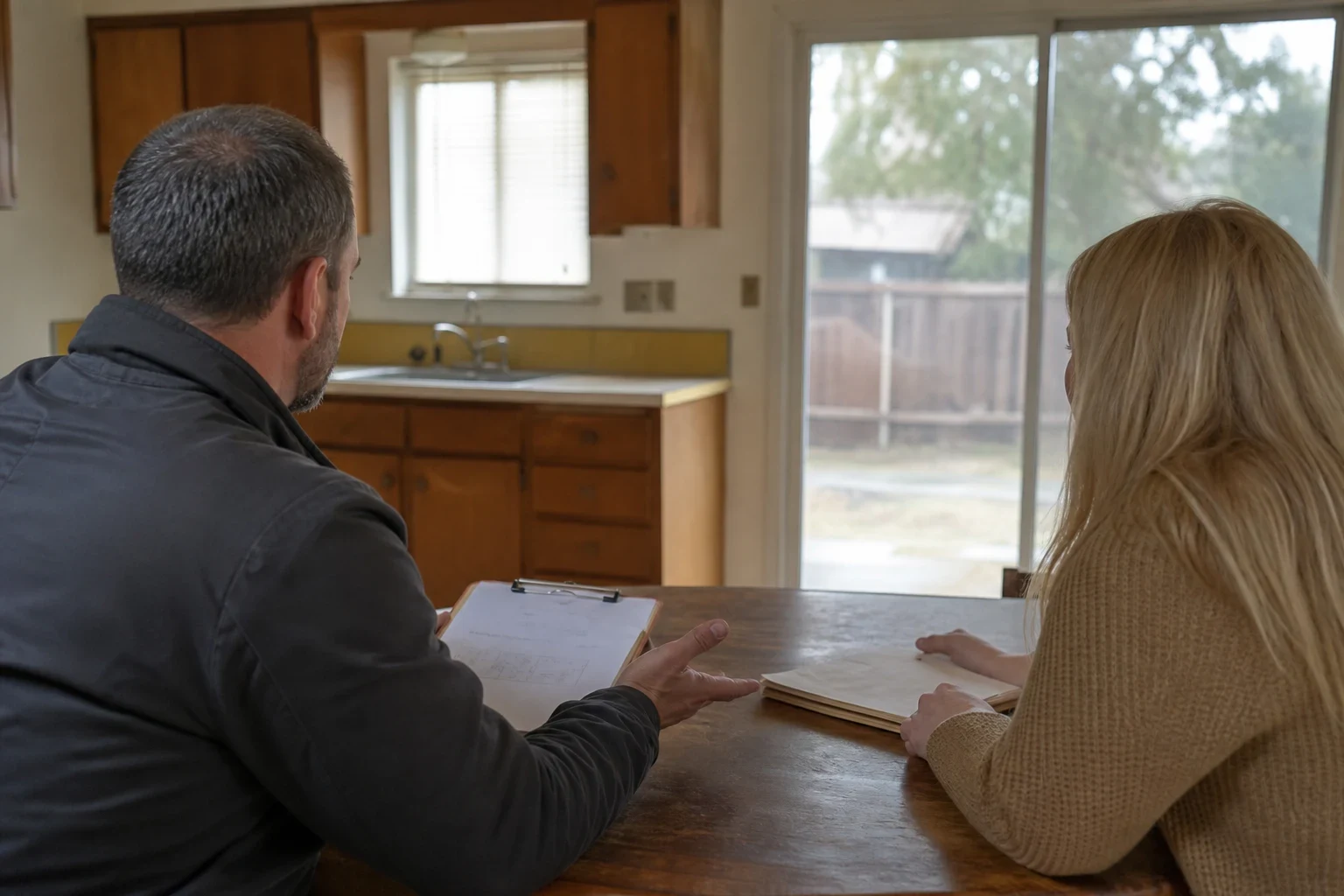
What a divorce sale involves
In California, a house bought during the marriage is usually treated as shared property. Both people on title normally have to sign off on the price, the offer and the closing. So a divorce sale is a normal sale with an extra layer. There are two sellers who may not agree, and a settlement or court order that may set the rules.
Our job is to run the sale so it holds up for both of you. We give both sides the same information at the same time, keep a written record of each decision, and follow what your agreement says about price, timing and who pays for what. We are not lawyers. When a question is legal or tax related, we will say so and point you to your attorney or tax preparer.
Sometimes one spouse wants to keep the house and buy the other out. That is not a sale to the public, but we can show what the house is likely worth so the buyout number is grounded. If the spouse who leaves needs a new place, our Home Buying Help page covers that side.
What our divorce sale work covers
- One price report, two copies
- We write up a market analysis using recent sales of comparable houses close by. Each of you receives an identical copy. Any question from one of you gets answered for both.
- Equal updates, every time
- Offers, inspection reports and buyer requests go to both sellers at once. Nobody hears about it secondhand or a day late.
- Working with attorneys or a mediator
- With your permission, we share the sale paperwork they need and follow the terms they set. If a court has ordered the sale, we follow that order.
- Prep without another argument
- We give you a short list of what is worth fixing before buyers walk through and what is not. If you cannot agree on who pays, we check what the agreement says or take it to your attorneys.
- Separate meetings when that is easier
- You do not have to sit in the same room. We can meet each of you at our office or by phone or video, separately if needed, and the details stay identical for both.
- Escrow and the split
- The money goes through escrow. The escrow officer pays off the loan and holds or divides the rest the way your agreement or court order directs.
Signs a sale makes sense now
One income cannot carry the house
The payment, property taxes and insurance were set up for two paychecks. When one person is left covering them, a sale can stop the slide before late payments start.
Your settlement says sell
Many agreements and judgments require the house to be sold, sometimes by a set date. Starting early gives you room to get a fair price instead of rushing.
Talks about the house keep stalling
When every conversation about the house turns into a fight, a neutral person running the sale takes one argument off the table.
One of you has already moved out
Upkeep tends to slip when the person who left feels it is not their job anymore. Small problems grow and cost both of you at closing.
You both want a clean break
Selling pays off the shared loan and splits the equity. After closing, neither of you is tied to the other through the house.
How the sale runs, step by step
- 1
A first conversation
You tell us where things stand: whether you have filed, whether there is an agreement, who is living in the house and who your attorneys are. We explain your options in plain words and what each one means.
- 2
Both sellers sign on
Everyone on title signs the agreement to sell. We confirm who approves offers and how decisions get made if you disagree.
- 3
Price and prep
We share the market analysis, agree on an asking price with both of you, and walk through any prep worth doing. We schedule buyer visits with whoever lives in the house.
- 4
Offers, side by side
Every offer goes to both of you. If you see it differently, we lay out the price, terms and timing next to each other so the choice is clear.
- 5
Escrow and closing
Escrow usually runs a few weeks. We track inspections, appraisal and loan conditions, keep both of you posted, and the escrow officer handles the payoff and the split.
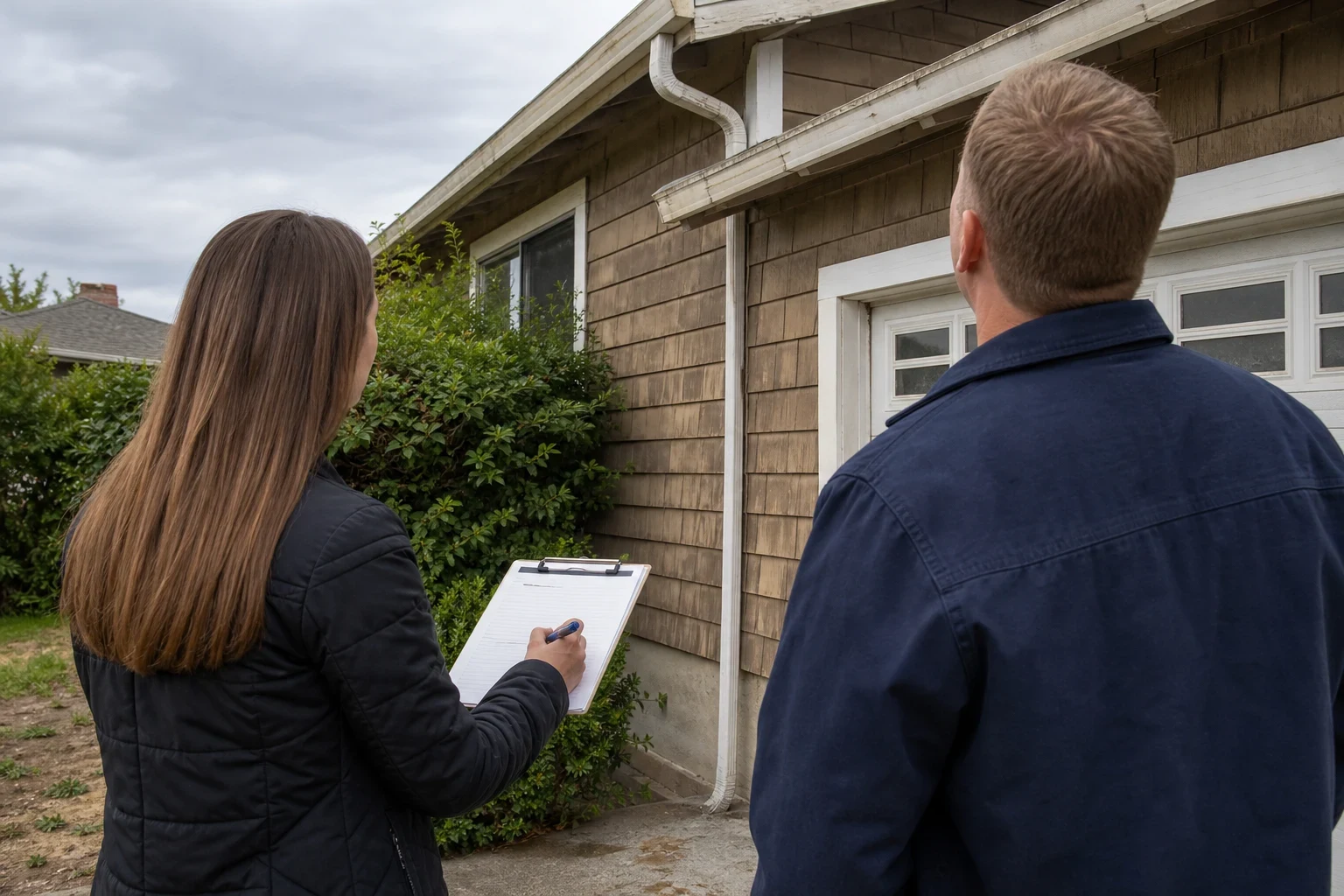
What moves the cost and what you each net
Our fee and the expected closing costs are written out before you sign anything, and both of you see the same numbers. What each of you walks away with depends on more than our fee. These are the things that move it most.
- What is still owed
- The mortgage comes out of the sale first. So does a second loan against the house or any recorded claim on the title, if you have one. Getting those numbers early means fewer surprises when escrow closes.
- Condition of the house
- Deferred repairs can lower offers or show up as buyer requests after inspection. Fixing the right few things often costs less than the discount buyers ask for.
- Time on the market
- The payment, taxes and utilities keep running until closing. A realistic price from the start keeps those carrying costs down.
- Who pays for what
- Your agreement may split repair, closing or carrying costs a certain way. We follow it, and escrow can apply it at closing.
- Delays from disagreement
- Each week spent stuck on a decision costs money. Having the numbers side by side usually shortens those standoffs.
Common questions from divorcing sellers
Something not covered here? (209) 290-9481
Does my spouse have to sign off on the sale?
Normally yes, when both names are on title. If the two of you cannot reach agreement, a court can order the house sold. Your attorney can tell you which path fits your case.
Do we have to wait until the divorce is final to sell?
Not always. Plenty of couples sell while the case is still open, provided both people on title sign. Escrow can hold the money until your agreement or a judge decides how it gets divided. Talk to your attorney before you sign so the timing works for your case.
Who do you work for if we are both the sellers?
We work for the sale, and both of you are our clients. We treat you the same, share the same information and do not take sides. If one of you has a concern, the other hears about it too.
One of us still lives there. How do buyer visits work?
We set visit times in advance with the person living in the house. The other spouse gets the same schedule. Nobody shows up unannounced.
What about taxes on the sale?
That is a question for a tax preparer or your attorney, since it depends on how long each of you lived there and how the sale is split. We give them the sale figures they need.
Start with one plain conversation
Tell us where things stand and we will explain what a sale would look like for both of you. No pressure to decide on the first call.