ServicesHome Selling
Home Selling in Farmington, Explained Step by Step
Selling a house has a lot of moving parts: price, prep, offers, disclosures, escrow. We put the house on the market, tell you what each step means before you sign anything, and keep you posted until the keys change hands.
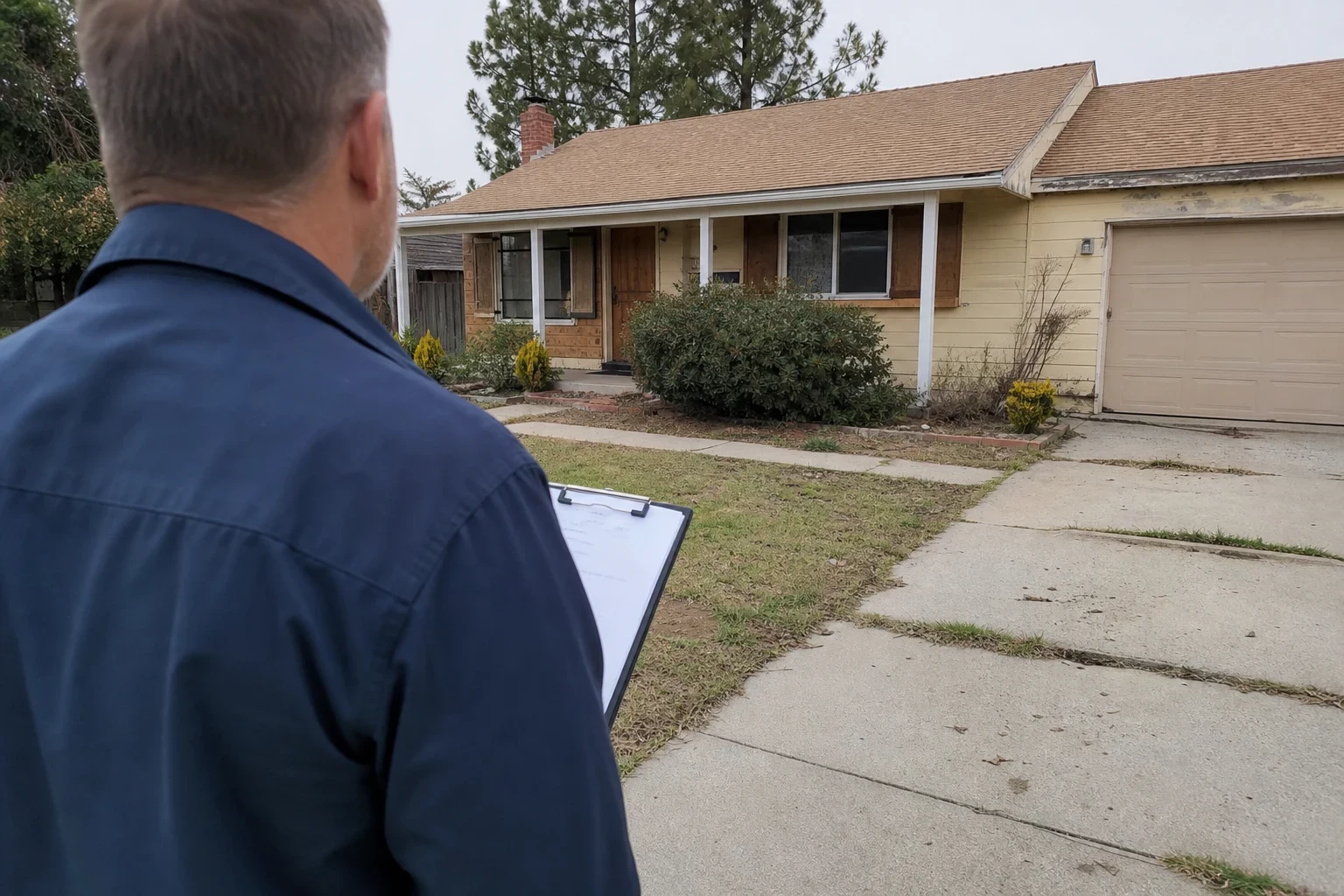
What Selling With an Agent Looks Like
You hire us to sell the house on the open market. We set a price with you, get it in front of buyers and their agents, and handle the paperwork that comes after an offer. You make the calls. We make sure you know what you're choosing.
This is usually the right route when you want the most buyers to see the property and you have a few weeks to let the process play out. If the house came to you through an estate, our Inherited & Probate Houses page covers the court side. If a split is part of the picture, see Divorce Home Sales.
What We Handle for You
- A price based on real sales
- We pull recent nearby sales of similar houses and show you how we got to a number. You see the comparisons, not just the conclusion.
- A short prep list
- We walk the property and tell you which fixes are worth doing and which aren't. Often it's paint, yard cleanup and a few small repairs. You decide what to do.
- Photos and marketing
- Clear photos and a plain description go out to buyers and the agents who work with them. We schedule buyer tours around your day.
- California disclosures
- Sellers here answer forms like the Transfer Disclosure Statement and a Natural Hazard Disclosure. We go over each question with you so your answers are honest and complete, which protects you later.
- Offer review in plain words
- Every offer gets a side-by-side breakdown: price, loan type, down payment, contingencies and closing date. The highest number isn't always the strongest offer, and we'll show you why.
- Escrow follow-through
- After you accept, we track inspections, the appraisal, repair requests and loan deadlines so nothing slips.
Signs This Is the Right Way to Sell
You want the widest pool of buyers
Putting the house on the open market lets many buyers compete. That competition is what usually pushes the price up.
The house is in fair shape
It doesn't need to be perfect. If it can pass a lender's appraisal with little or no work, a market sale tends to make sense.
You have some time
Most sales take a few weeks on the market plus a typical escrow period. If that fits your plans, this route usually nets you more.
You want someone to explain the paperwork
Purchase contracts and disclosures are long. If you'd rather have each page explained than guess, that's a big part of what we do.
You're also buying
Timing a sale and a purchase together takes planning. Our Home Buying Help page covers the other side.
How a Sale Runs, Start to Finish
- 1
First conversation
We talk by phone, video or at our office. You tell us your timeline and goals. We tell you honestly whether a market sale fits.
- 2
Walk-through and price
We see the property, note what buyers will notice, and bring a pricing plan backed by recent sales. Out here that can include questions about wells, septic or older outbuildings, since buyers and lenders ask.
- 3
Prep and go live
You finish whatever prep you chose. We take photos, write the description and open the doors to buyer tours on a schedule you approve.
- 4
Offers and negotiation
We lay out each offer in plain terms, suggest counter points and you pick the one that works. Nothing is signed until you understand it.
- 5
Escrow to closing
Inspections, appraisal, loan approval and final signing. We keep you updated at each deadline and tell you what's next before it happens.
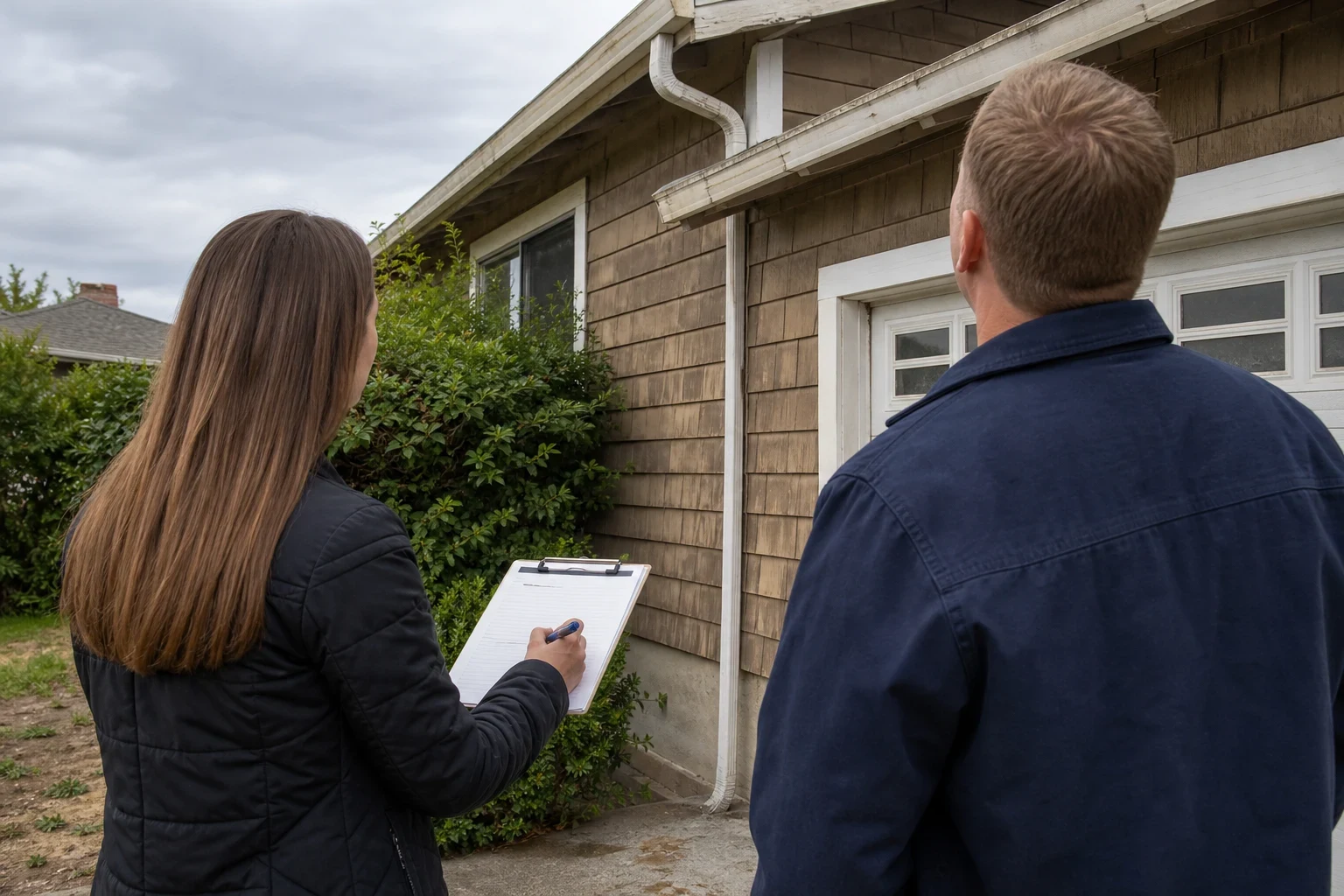
What Affects Your Costs and Your Net
Your net is the sale price minus your selling costs. We go over the likely numbers with you in writing before the house goes on the market, so the closing statement holds no surprises. These are the main things that move it.
- Our commission agreement
- Agent pay is set in the agreement you sign with us, and it's negotiable. We explain exactly what it covers before you commit.
- Repairs and prep you choose
- Some work pays for itself in a better price. Some doesn't. We'll tell you which is which.
- Escrow, title and transfer tax
- Sellers usually pay part of the escrow fees, a title policy for the buyer and the county transfer tax. These depend mostly on the sale price.
- Buyer requests after inspection
- Inspections often turn up items like an aging roof or old wiring. You can repair, give a credit or say no, and each choice changes your bottom line.
Questions About Selling a House
Something not covered here? (209) 290-9481
From start to finish, how long does selling take?
It varies. Price, condition and season all affect it. A well-priced house usually draws buyers early, often inside a few weeks. After you accept an offer, escrow typically runs about a month, and a slow loan approval can add time.
Should I fix things before the house goes up for sale?
Usually not. Buyers expect ordinary wear and recognize a home people live in. We'll point out the few issues that commonly drag down the price or trip up a buyer's loan, and you choose which, if any, to handle.
What if my buyer walks away?
Contracts usually include contingencies allowing a buyer to cancel over inspection or loan issues before certain deadlines. We keep a close eye on those dates. If a buyer cancels, we reach out to other interested buyers or put the house back on the market.
Can I keep living in the house while it's for sale?
Yes, and most sellers do. We arrange showing times with you in advance, and you simply leave while buyers tour.
How is the asking price set?
We look at recent sales of comparable nearby houses, adjust for size, lot and condition, and walk you through the numbers. The final price is your decision.
Thinking About Putting the House on the Market
Give us a call and describe the property and when you'd like to be moved. We'll lay out the choices in everyday words, and you pick what comes next.