ServicesHome Buying Help
Home Buying Help in Farmington
Buying a house means a stack of forms, a few tight deadlines and a lot of money. We explain each step in everyday words, help you write a sound offer and keep track of the dates so nothing slips past you.
What Home Buying Help Covers
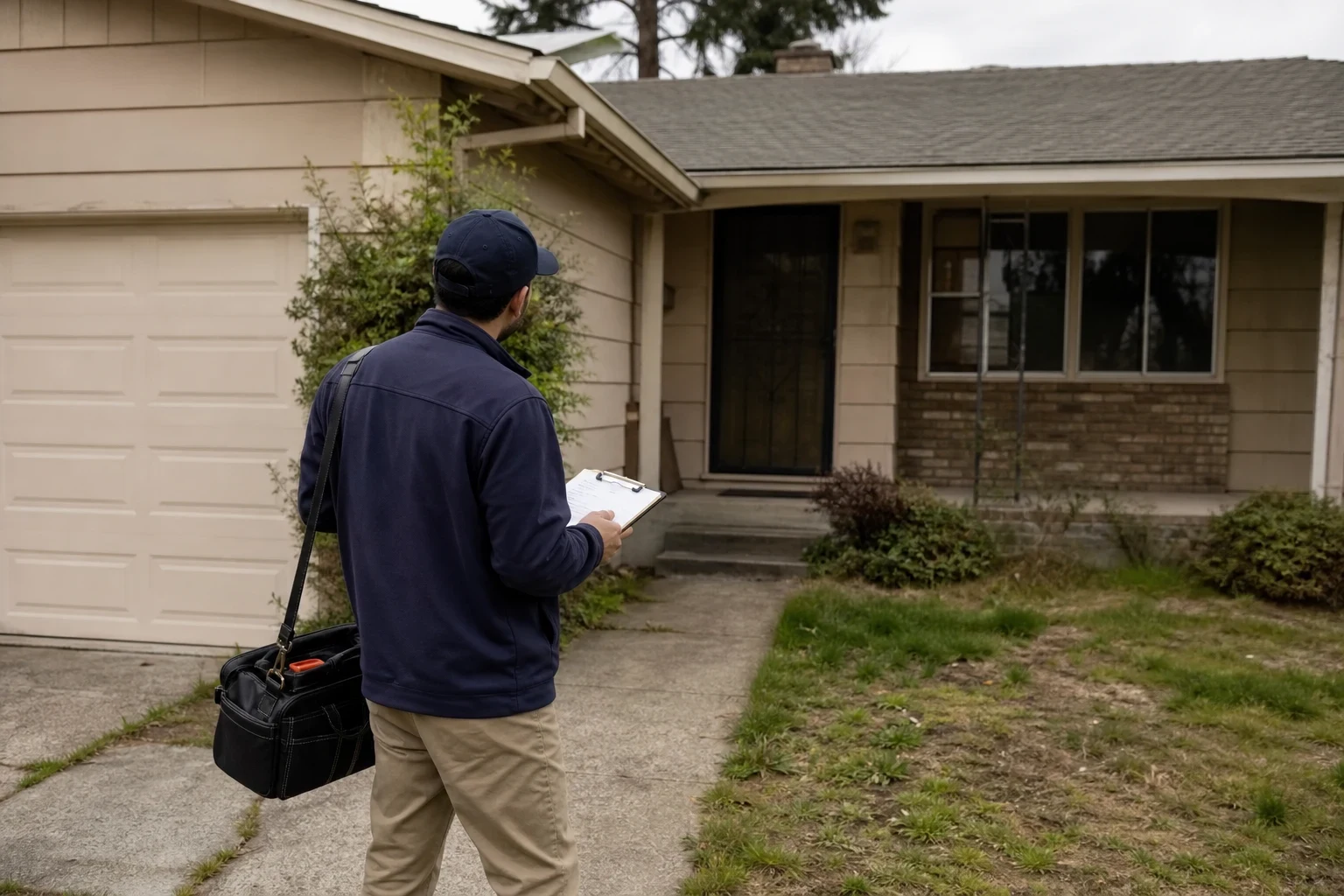
We represent you, the buyer, from the first conversation to the day escrow closes. That means finding houses that fit, writing the offer, reading the seller's disclosures with you and keeping the deadlines in the California purchase contract on track.
You can sit down with us at our office or talk by phone and video, whichever suits your week. Ask questions as they come up and you get straight answers. If a term on a form makes no sense, we stop and go over it before you sign.
What We Do for You
A written agreement up front
Before we tour any house together, California requires a signed buyer agreement. We go over it line by line so you know what we do, how we are paid and how long it lasts.
Offers that protect you
We help you set a price and choose which contingencies to keep. Inspection, appraisal and loan contingencies give you a way out if something goes wrong. We explain what you give up if you drop one.
Reading the disclosures
Sellers must hand over forms like the Transfer Disclosure Statement and the Natural Hazard Disclosure. We read them with you and point out what deserves a closer look or a question back to the seller.
Inspections and repair requests
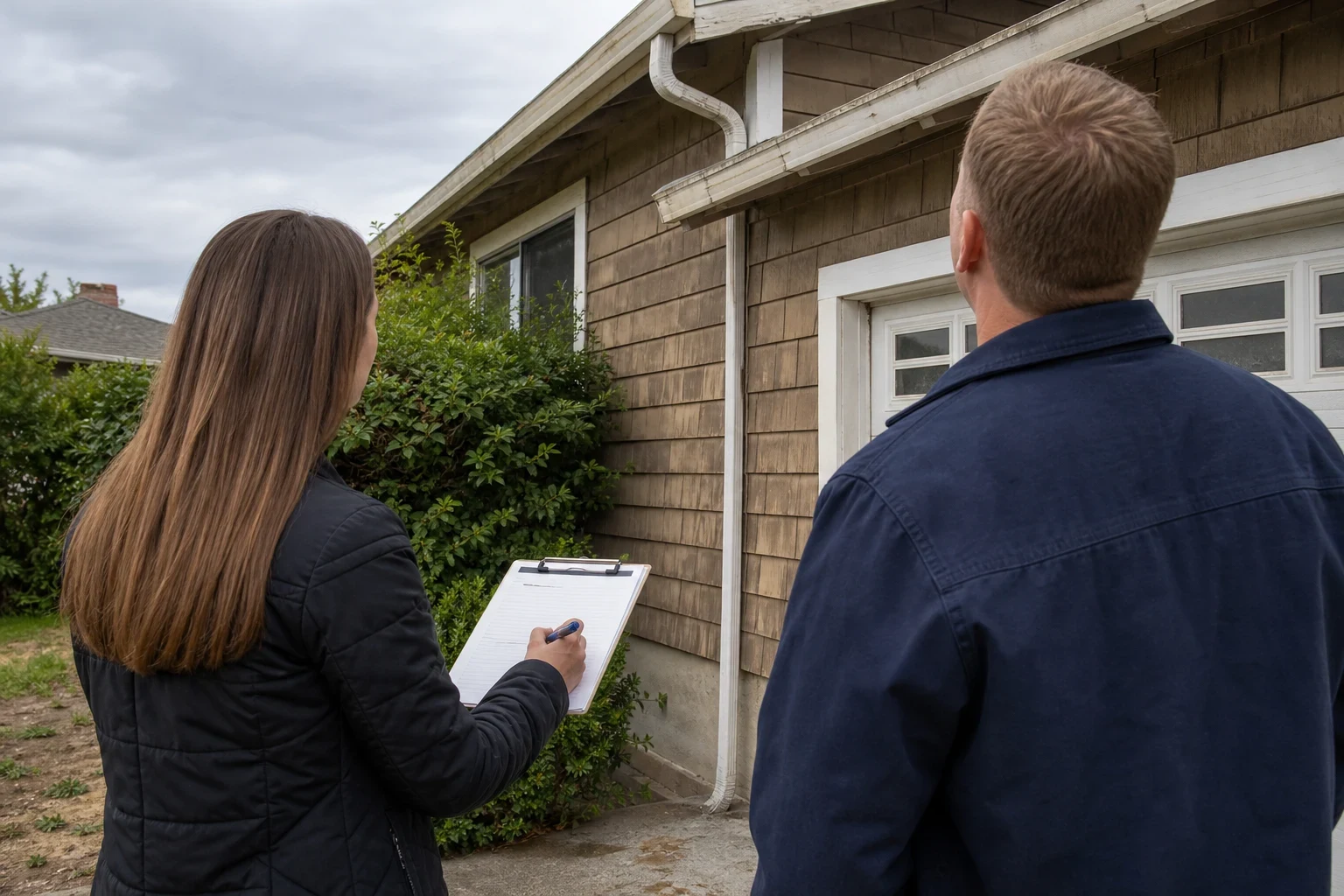
We help you line up inspectors and then sort the report into what matters and what is routine. On rural properties that can include the well and septic system. Then we write up any repair or credit request.
Deadline tracking through escrow
California contracts run on a clock, and the default for removing contingencies is 17 days. We keep a calendar of every date and remind you before each one comes due.
Signs You Could Use a Hand
- You lost an offer and do not know why
- Price is only part of it. Terms, timing and how clean the offer reads all count. We look at what happened and adjust.
- The forms feel like another language
- Words like contingency removal, earnest money and vesting show up fast. If you are nodding along without knowing what they mean, that is the moment to call.
- You are buying for the first time
- First purchases bring the most questions. We start at the beginning and cover what happens in what order.
- You are selling and buying at once
- Timing two deals is tricky. We help you set dates so you are not stuck paying for two places or left without one.
- A disclosure raised a red flag
- An old roof note or a past water claim can be minor or serious. We help you figure out which, and what to ask next.
How a Purchase Runs With Us
- 1
First talk
We meet at our office or by video. You tell us your budget, timeline and must-haves, and we walk you through how buying works in California from start to finish.
- 2
Financing, then the search
Your lender reviews your finances and puts in writing how much you can borrow. With that number set, we tour houses that fit and give you an honest take on each one.
- 3
Writing the offer
We pull recent sales, suggest a price and walk you through each term. You approve every word before it goes to the seller.
- 4
Inspections and escrow
Once the seller accepts, escrow opens and the clock starts. We schedule inspections, review reports with you and handle any back and forth on repairs.
- 5
Closing day
You sign final papers with the escrow company, the loan funds and the deed records. Then you get the keys.
What Changes What You Pay to Buy
Our pay is written into the buyer agreement before we tour anything. The seller may cover some or all of it, or it may be built into your offer. A purchase brings other costs too, and we review each with you so nothing catches you off guard at closing.
- How agent pay is set
- Both the amount and who covers it are written down and open to negotiation. We go over your choices before you sign.
- Help from the seller
- Sellers sometimes agree to cover part of your closing costs or our fee. We can request that in your offer.
- Which inspections you order
- A general home inspection is the norm. Extra checks of the roof, sewer line, pests, well or septic cost more but can keep you out of a bad purchase.
- Your loan and lender charges
- Each loan type has its own fees and down payment rules. Your lender provides a written estimate, and we help you make sense of it.
- Title and escrow fees
- These fees vary with the purchase price and with how the contract divides them between you and the seller.
Questions Buyers Ask Us
- Is there paperwork to sign before touring homes?
- Yes. State rules now call for a signed written buyer agreement before an agent shows you a home. It describes our role and how we get paid. We review it together and answer all your questions first.
- What if I change my mind after the seller accepts?
- While your contingencies are still active, you usually can. If the loan, appraisal or inspection doesn't work out inside those deadlines, you can often cancel without losing your deposit. After contingencies are removed, walking away carries far more risk, so we keep you clear on your position.
- Should I talk to a lender before anything else?
- It makes a big difference. A lender's letter tells sellers you're able to close and shows you which price range is realistic. We can share what lenders typically request so you're ready.
- Can most of the process happen over phone or video?
- Yes. Planning, going over offers and reviewing disclosures all work well on a call or video. You'll still want to walk through the home yourself before buying.
- What happens if the inspector finds issues?
- Nearly every report lists lots of minor things. We help you separate the real concerns from the ordinary ones. From there you can request repairs, ask for a credit, or cancel if a contingency lets you.
Ready to Start Looking?
Tell us what you want and when you need to move. We will lay out the steps and what to expect in plain words.