ServicesInherited & Probate Houses
Inherited & Probate House Sales in Farmington
An inherited house comes with paperwork, court rules and family to keep in the loop. We help the executor or trustee sell it and explain every step in plain words, so you know what is happening, who signs what and what the estate can expect to net.
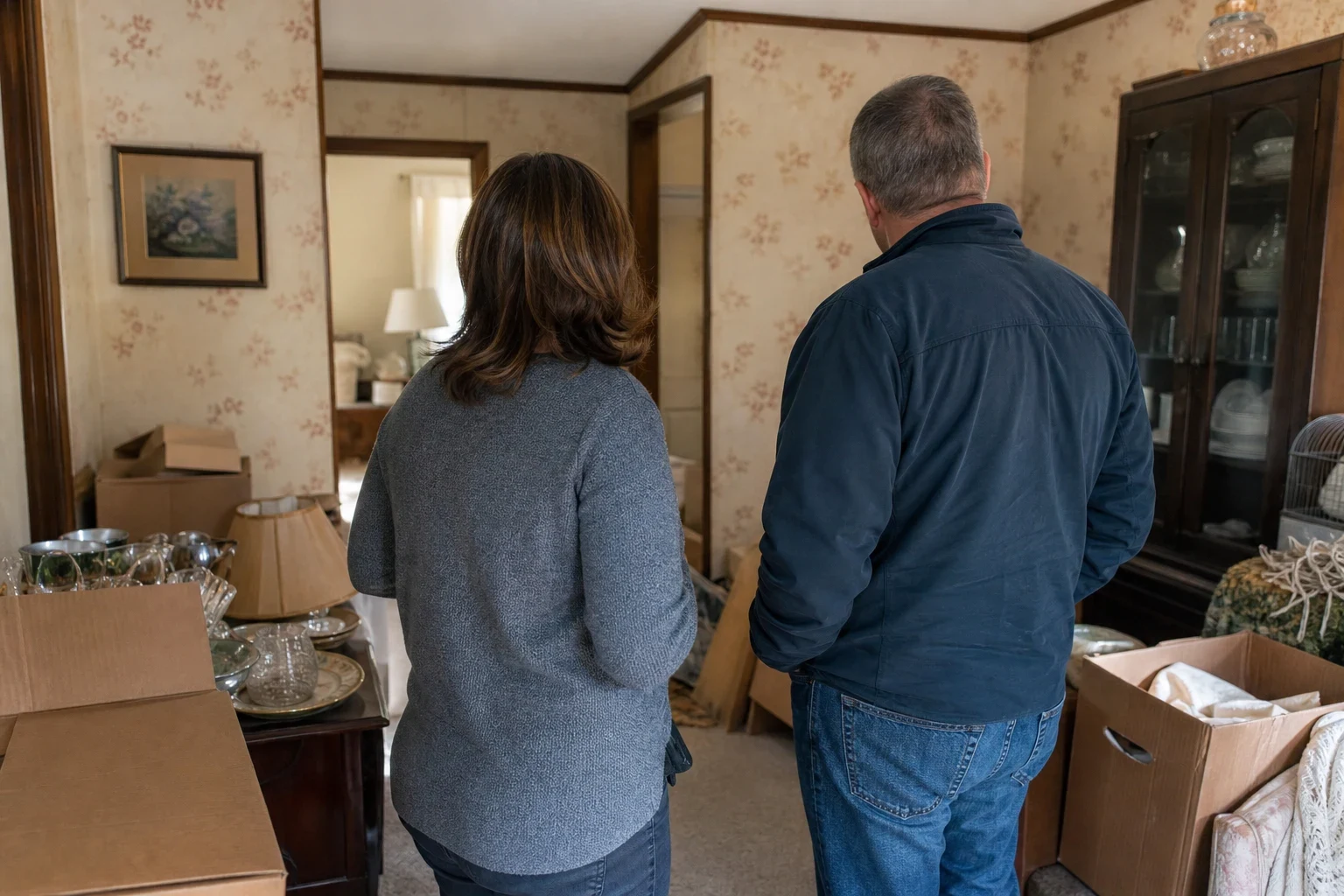
What selling an inherited house actually involves
When someone passes and leaves a house, it can't be sold the next week. Someone has to have legal authority to sign. Sometimes that's a trustee named in a living trust. Sometimes it's an executor or administrator appointed by the probate court. We help that person sell the house and explain each step as it comes.
We are real estate agents, not lawyers or tax advisors. We work alongside the estate's attorney so the court paperwork and the sale line up. Our part is the house itself: what it's worth, what to fix or leave alone, how to market it and how to get it closed.
You don't have to be in Farmington to work with us. Some families sit down with us at our office. Others meet us on a phone or video call, which helps when the heirs are spread across different cities or states.
What our help covers
Sorting out who can sign
First we look at how the property was held: in a trust, in the person's name alone or jointly with someone else. That answer decides whether the court is involved and who signs the sale papers.
A value the estate can stand on
We prepare a market analysis based on recent nearby sales. In probate, a court-appointed referee also sets a value, and the sale price usually needs to land close to it. We explain how the two numbers relate.
Fix-or-leave advice
Inherited houses often need some work. We tell you plainly which small jobs tend to pay back and which don't. Plenty of estates sell the house in its current condition, and that is a fair choice.
Court rules on the sale
With full authority, an executor can usually sell after giving heirs written notice, with no hearing. With limited authority, the sale goes to a confirmation hearing where other buyers can bid higher in the courtroom. We set expectations for both.
The right disclosure forms
In California, estate and trust sellers are excused from some of the disclosure forms a regular seller completes. They still have to share what they know about the property. We go over which forms apply to your sale.
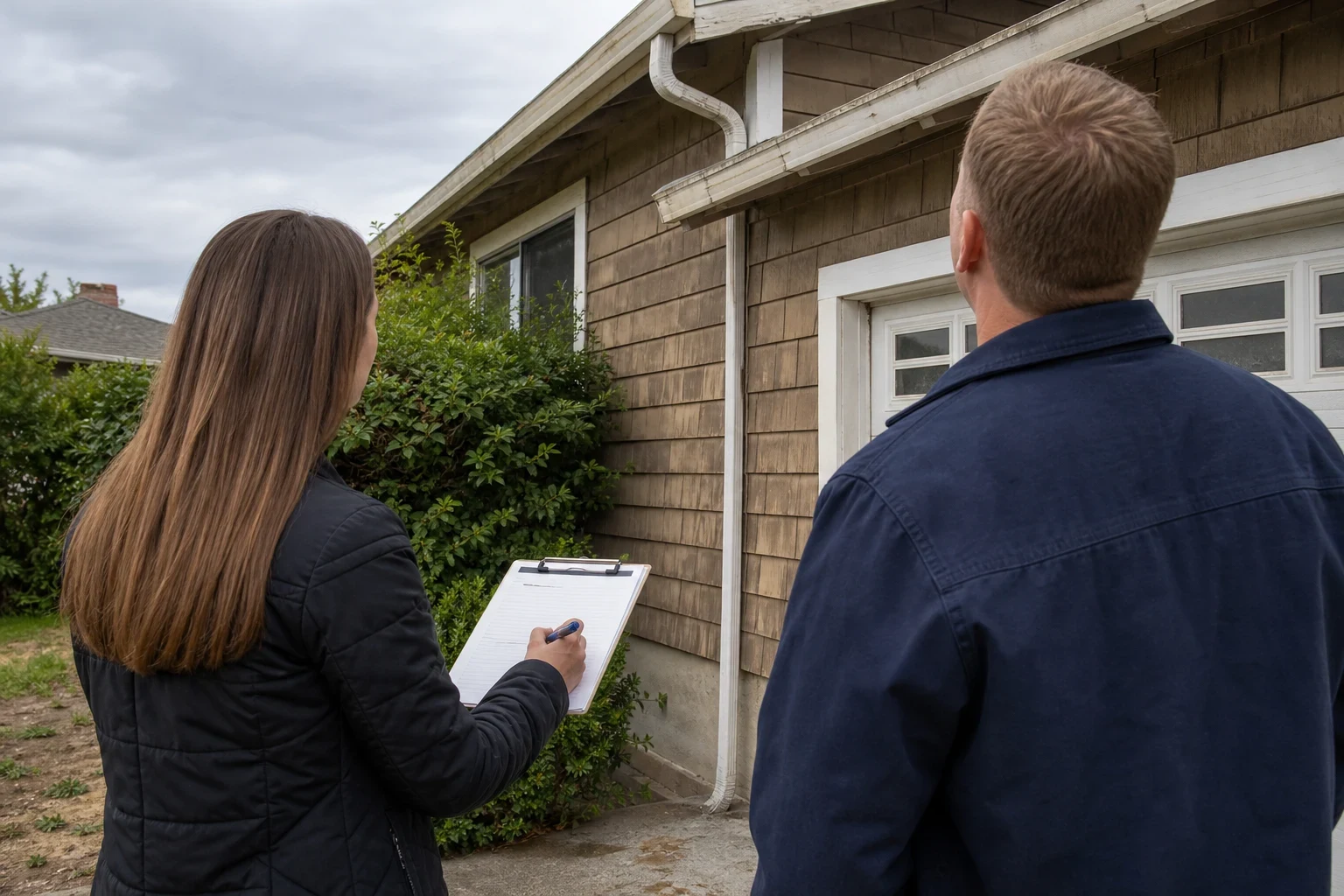
Signs it's time to talk about selling
- The court has issued letters
- Once the court issues letters testamentary or letters of administration, the executor has authority to start the sale process. That's a good point to call us.
- Carrying costs keep adding up
- Property tax, insurance, utilities and upkeep keep coming whether anyone lives there or not. If the estate pays those from a shrinking account, selling may make sense.
- No heir plans to move in
- Under California's Prop 19, a child who inherits a parent's house and doesn't make it their primary residence usually faces a property tax reassessment. Ask your tax advisor how that applies to you.
- Heirs don't agree
- Maybe a brother wants to hold on to the place while his sister would rather cash out. Putting a written market value on the table gives the family one shared number to talk from.
- You live far away
- Managing a house from another state is tiring. We can handle the local side and keep you updated by phone and video.
How an inherited house sale works with us
- 1
The first phone call
Tell us who passed, how the house was held and where things stand with the attorney or the court. We'll explain which path the sale is likely to take and what comes first.
- 2
Value and a written plan
We look at the property, pull recent sales and talk through its condition. You get a plan in writing with a suggested asking price, any repairs worth doing and a rough timeline.
- 3
On the market
We get the house ready and market it to buyers. When offers come in, we go over each one with you and the attorney, line by line.
- 4
Notice or court hearing
Depending on the estate's authority, the sale goes forward with a Notice of Proposed Action to heirs or goes to a confirmation hearing. We tell you which one applies and what happens on that day.
- 5
Escrow and closing
Escrow opens, the buyer's inspections and loan move forward, and any loan on the property is paid off. The proceeds go to the estate for the executor to handle under the attorney's direction.
What affects the cost and the estate's net
Agent commission is normally paid from the sale proceeds at closing. We go over our terms and every other cost with you before anything is signed. What the estate ends up with depends on a handful of things.
- Court involvement
- A confirmation hearing adds weeks and can bring overbids. A trust sale with no court step usually moves faster and costs less in legal time.
- Condition of the house
- Repairs cost money up front and may or may not raise the price enough to cover them. We'll give you a straight read on both sides.
- Attorney and executor fees
- In California these fees are set by statute based on the estate's value. They are separate from ours, and the attorney can explain them.
- Months of carrying costs
- Every month the house sits, the estate pays tax, insurance and utilities. In a hot Central Valley summer, keeping an empty house cooled and the yard watered adds up.
- Loans and liens
- Any mortgage, reverse mortgage or lien still on the property gets paid at closing before the heirs see anything.
Questions about inherited and probate houses
- Is it possible to sell before probate wraps up?
- Yes. Most probate sales take place with the case still open. The executor must first receive letters from the court. Then the sale can proceed under the rules that match the estate's level of authority.
- Must the house be repaired before we sell?
- No. Lots of estates sell the house as it stands. We'll let you know if a modest task, such as a cleanout or a coat of paint, will probably earn its cost back. You and the executor make the decision.
- Does every heir need to approve the sale?
- Not necessarily. Under full authority, the executor gives heirs written notice of the planned sale. If an heir objects within the deadline, a judge decides. We keep all parties updated to cut down on surprises.
- Does a house held in a living trust go through probate?
- Typically no. A trustee can usually sell trust property with no court involvement. Some steps remain, such as verifying the trustee's authority with the title company, and we'll guide you through them.
- What's the timeline for a probate sale?
- That varies with the court, the estate's authority and the buyer's financing. A confirmation hearing takes longer because it must be put on the calendar. Once we know which route applies, we'll give you a realistic schedule.
Talk through the estate's options
Tell us where things stand with the house and the court. We'll explain the likely path and what the next step is, in plain words.